

How to Get Backlinks: Proven Strategies That Work
Backlinks are the lifeblood of search engine optimization. But let’s be honest, building them can feel like trying to get invited to the cool kids’ table in high school. Everyone wants in, but not everyone knows how to earn their spot.
If you’ve been wondering how to get backlinks that actually boost your rankings and drive traffic, you’re in the right place. In this guide, we’ll break down the exact steps to get high-quality backlinks without shady shortcuts. Whether you’re running a blog, a small business site, or a startup page, these tips will help you grow your backlink profile in a sustainable way.
Quick Jump
Why Backlinks Matter for SEO
Before we dive into the how, let’s understand the why.
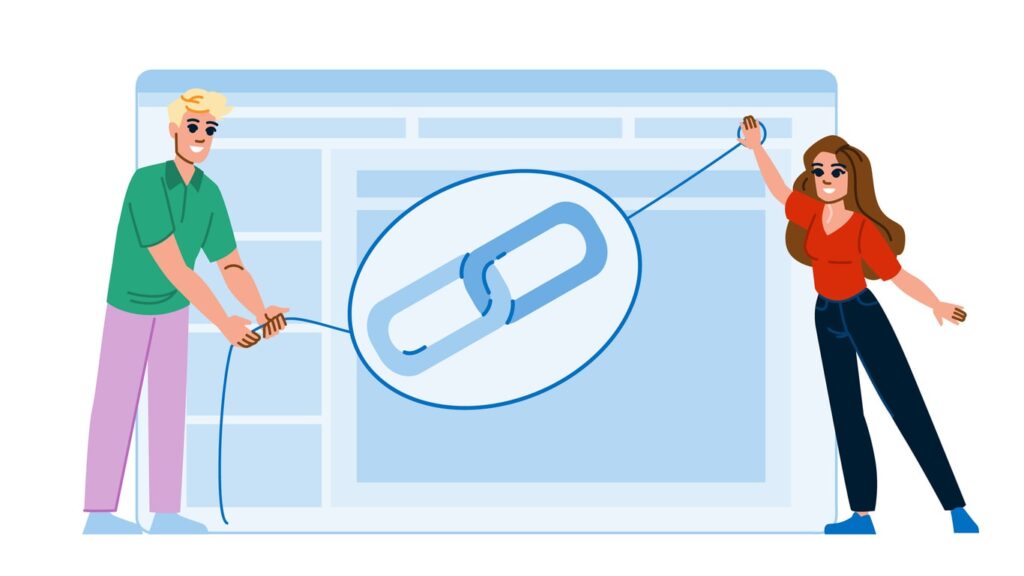
A backlink is a link from another website pointing to yours. Google sees backlinks as a vote of confidence. The more high-quality sites that link to your content, the more trustworthy your site looks to search engines. This trust translates to better rankings on the search engine results page (SERP).
But not all backlinks are created equal. One backlink from a well-known site like asiaone.com or marketersmedia.com is worth more than ten links from low-quality directories.
A strong backlink profile can:
- 1. Increase your domain authority
- 2. Improve keyword rankings
- 3. Bring in referral traffic
- 4. Help your content get discovered faster
Types of Backlinks You Should Focus On
To build a solid SEO strategy, you need to know the difference between good and bad backlinks.
1. Dofollow vs. Nofollow
Dofollow links pass SEO value (link juice) to your site. These are the gold standard.
Nofollow links, on the other hand, tell search engines not to follow the link. They’re still valuable for referral traffic but less helpful for rankings.
2. Editorial Backlinks
These are links you earn when another site links to your blog post or web page naturally. They’re the best kind of backlinks.
3. Guest Post Backlinks
Guest blogging is when you write a piece of content for another website and include a link back to your site. If done right, it can be one of the easiest ways to build links.
How to Get Backlinks Organically
If you want to build links that stand the test of time, focus on value. Here’s how:
1. Publish Helpful, Unique Content
Write blog posts that solve real problems. Create listicles, how-to guides, tutorials, and infographics. Make your content so good that people want to link to it.
For example, writing about how to get backlinks and breaking it down like this article can help position you as a thought leader.
2. Guest Blogging on Niche Sites
Guest blogging isn’t dead. It still works when done the right way. Target sites like:
- => connexify.io
- => rankifyer.com
- =>seoptimer.com
Pitch a useful topic, provide samples of your work, and show how your post will benefit their readers. Include a backlink to your website naturally in the content or in your author bio.
3. Create Linkable Assets
Some pieces of content are just built to earn backlinks. These include:
- => Industry reports
- => Original data or case studies
- => Infographics
- => Free tools or templates
Think about what your audience is already searching for on Google. Then create something better than what already exists.
Using Broken Link Building
This strategy is one of the most underrated methods for acquiring backlinks.
Step 1: Find Broken Links
Use tools like Ahrefs, Screaming Frog, or free Chrome extensions to find broken links on relevant websites.
Step 2: Create a Replacement
If a blog post is linking to a resource that no longer exists, write your own piece of content that covers the same topic.
Step 3: Send an Outreach Email
Keep it short and friendly. Let the website owner know the link is broken and suggest your blog post as a replacement. You’re helping them, and in return, you get a backlink.
Outreach Strategy for Building Links
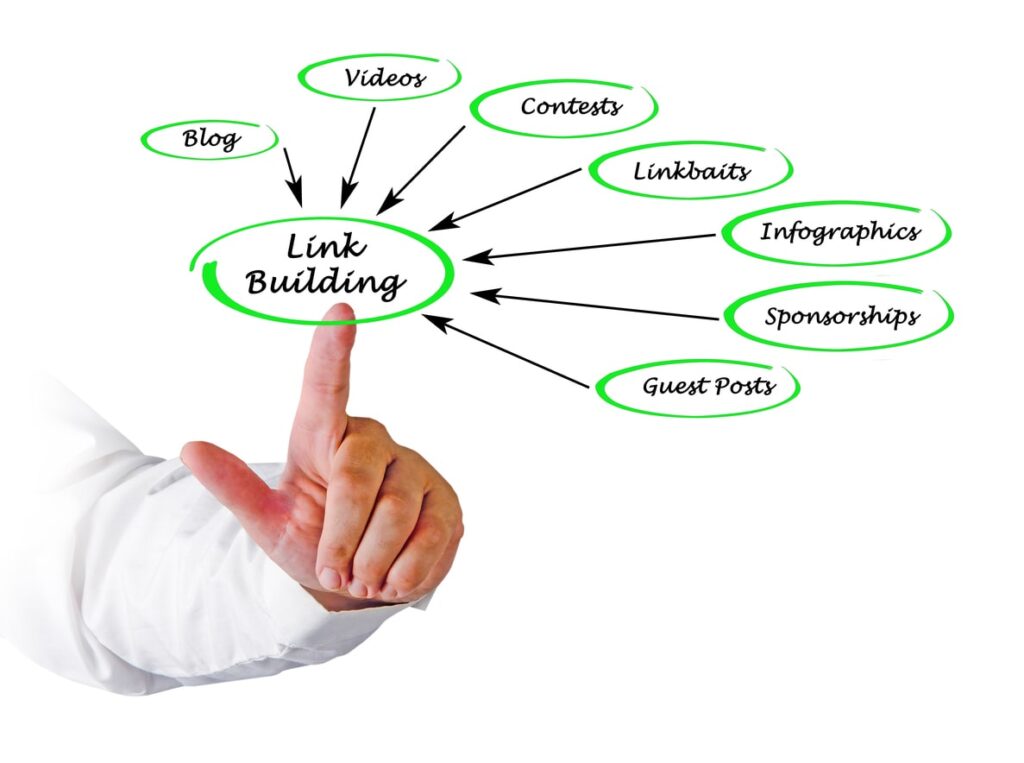
Outreach is where most people struggle. Here’s how to make it easier.
Craft a Great Email
Use a friendly tone. Mention something specific you like about their site. Be clear about what you’re asking. Don’t beg for a backlink; offer something of value.
Example:
Hey [Name],
I loved your recent post on [Topic]. I noticed a broken link in the section on [Sub-topic]. I’ve written a similar piece that might be helpful to your readers. Mind if I share it with you?
Keep it natural—no spammy templates.
Follow Up Without Being Annoying
If they don’t respond, it’s okay to send one follow-up after a few days. Just keep it polite. If they’re not interested, move on.
Smart Link Building Strategies That Scale
If you want to build links consistently, these strategies will help you do it at scale.
Get Interviewed
Reach out to industry blogs and podcasts. Offer to share your expertise on a trending topic. You’ll often get a backlink in the show notes or author section.
Use HARO (Help A Reporter Out)
Sign up for HARO. Every day, you’ll get emails from journalists looking for expert quotes. If your pitch gets picked, you’ll earn a backlink from a reputable source.
Collaborate With Other Creators
Co-create content with other bloggers. You both get backlinks and exposure to each other’s audiences.
Social Proof and Authority Help You Get Backlinks
People link to people they trust. Build that trust by:
- => Getting featured on trusted domains like sonicweb.ca, ithy.com, or digitalmarketreports.com
- => Sharing case studies or client results
- => Publishing testimonials from industry experts
The more credibility you show, the more likely others will reference your content.
Free and Paid Tools That Help You Build Backlinks
Here are some tools to speed up the process:
- => Ahrefs.jp – for backlink analysis and competitor research
- => Seoptimer.com – for SEO audits and finding link opportunities
- => Ubersuggest – great for content ideas and basic backlink data
- => Hunter.io – find email addresses for outreach
- => BuzzSumo – discover viral content worth replicating
Common Mistakes to Avoid
Getting backlinks isn’t just about volume. Avoid these pitfalls:
- => Using the same anchor text for every link
- => Buying backlinks (this can get your site penalized)
- => Ignoring your site’s technical SEO
- => Not tracking which backlinks are driving results
Focus on quality, and stay patient. The results compound over time.
Frequently Asked Questions
What is the fastest way to get backlinks?
Guest posting and broken link building are two of the quickest ways. Use outreach emails and offer high-value content.
Do social media links count as backlinks?
They do, but they are usually nofollow links. While they don’t boost SEO directly, they can drive traffic and build visibility.
Can I use forums or blog comments to get backlinks?
You can, but they’re mostly low-quality. Use them for brand awareness, not SEO.
How many backlinks do I need to rank?
There’s no magic number. It depends on your competition and keyword difficulty. Focus on getting backlinks from high-authority sites.
Should I disavow bad backlinks?
If your site has spammy backlinks, use Google’s Disavow Tool to tell Google to ignore them. But only do this if you notice a negative impact.
Backlinks Are Earned, Not Bought
Learning how to obtain backlinks is similar to learning how to establish genuine relationships. It takes time, trust, and consistency.
Don’t chase quick wins. Focus on publishing great content, reaching out to real people, and building links that matter. The traffic and rankings will follow.
And remember this: You don’t need 10,000 backlinks. You need the right 50 pointing to the right pages.
Now go out there and earn those links. Google is watching, and so are your future customers.
Related Articles:
1. How to handle SEO without a Website
2. How to Make Your Website Appear on Google Search